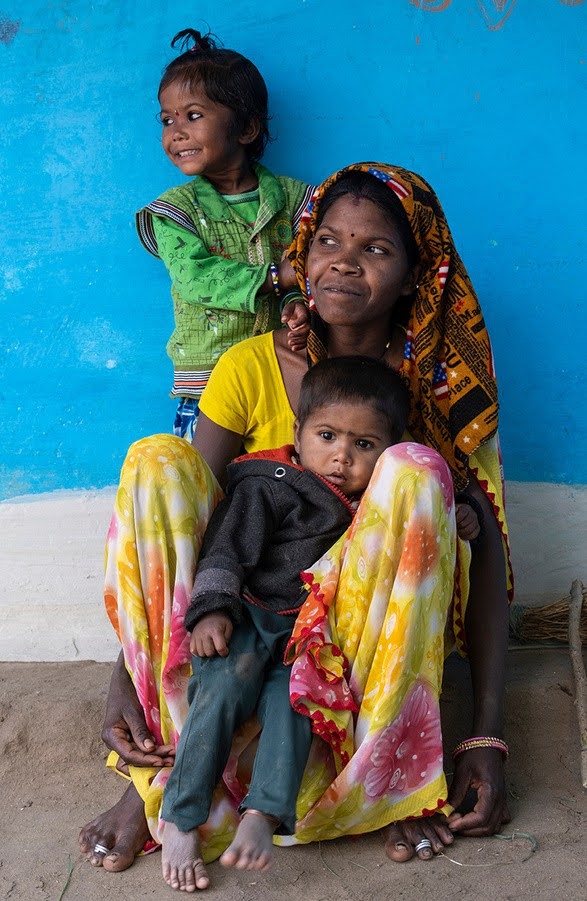
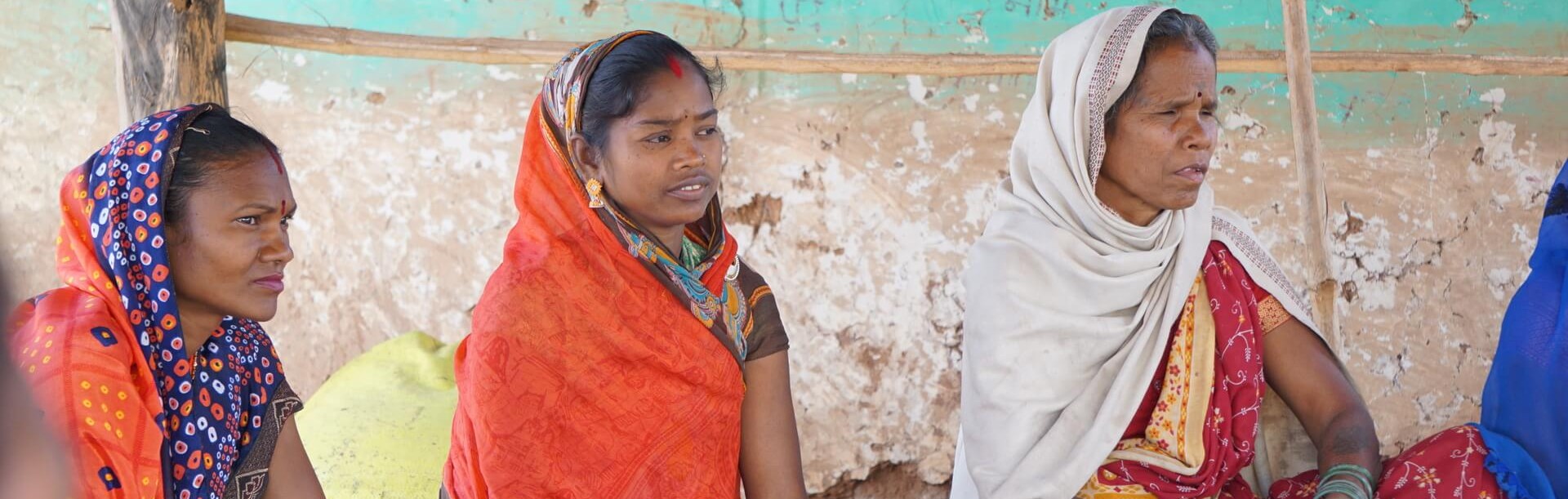
The Antara Foundation (TAF) works to end preventable maternal and child deaths and childhood malnutrition at scale.
Our journey began in Rajasthan in 2015, where we piloted the AAA platform, a systems-level intervention to improve data quality and the coverage of services for pregnant women, lactating children and children under-5. Based on strong evidence of impact, including better identification of high-risk pregnancies, a near doubling of women receiving antenatal care, and improved detection of severely malnourished children, the Government of Rajasthan adopted and scaled the program to all 46,000 villages in the state.
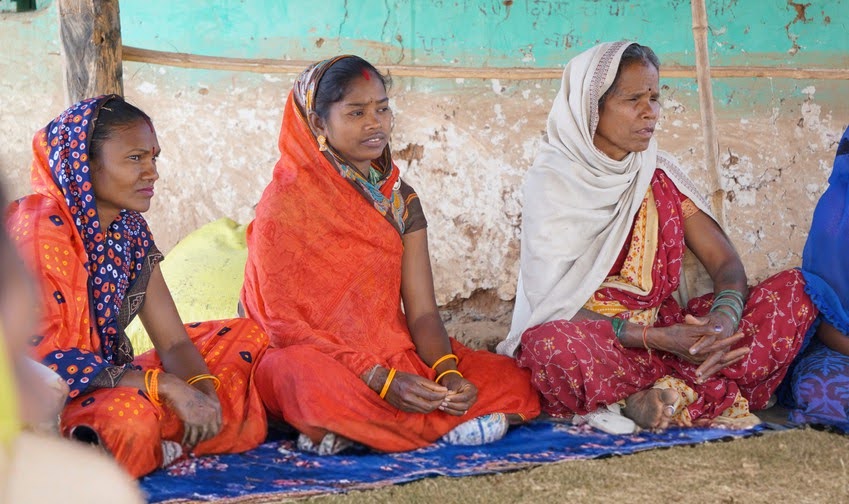
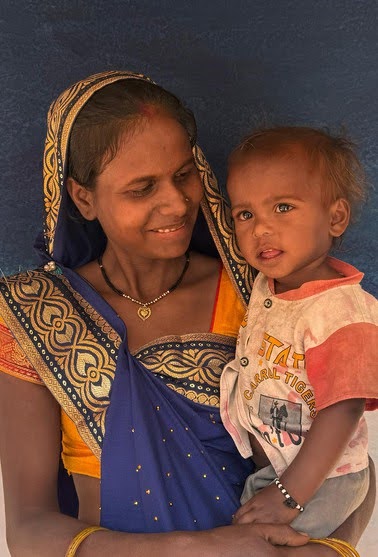
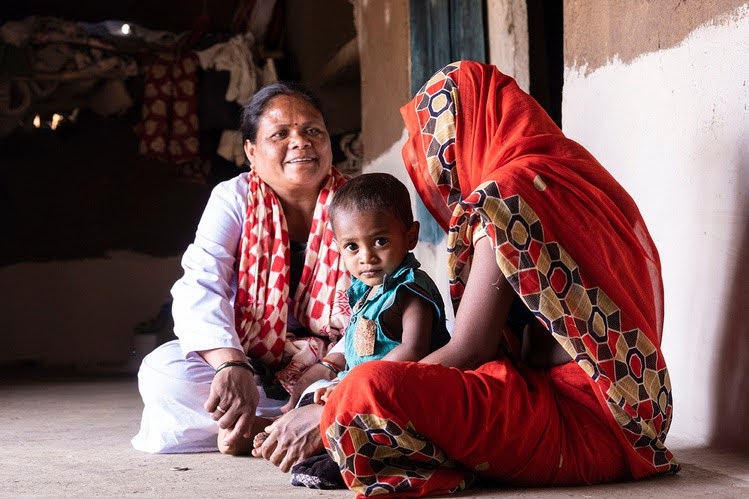
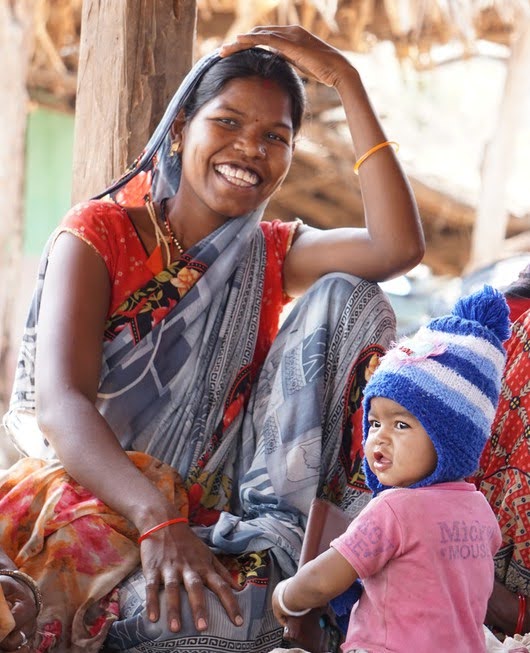
In 2019, we started our work in Madhya Pradesh (MP), one of India’s poorest-performing states on maternal and neonatal health indicators. MP’s rate of improvement is half of India’s average, keeping it off-track to meet the SDGs. As India’s third most populous state, home to 89 million people including 19 million tribal citizens (21%), progress in MP can significantly accelerate India’s national health outcomes.
Tribal and marginalized populations often face worse health outcomes due to remoteness, traditional practices, language barriers, migration, and poor connectivity.
Marginalised populations
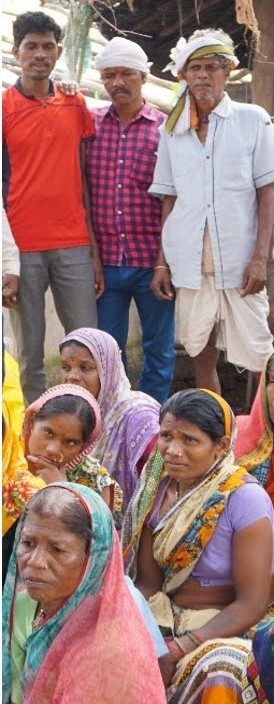
Influence of local healers babas
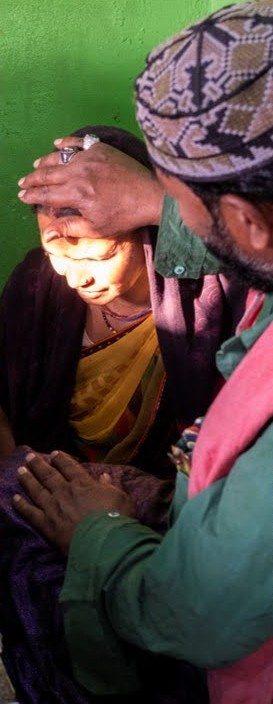
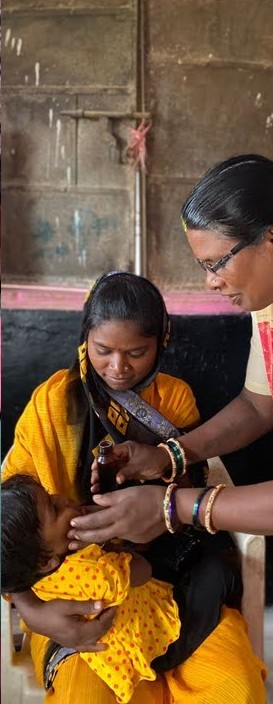
Health Awareness
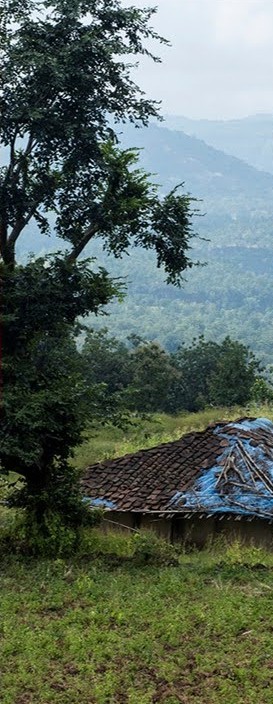
Poor access to roads and scattered villages
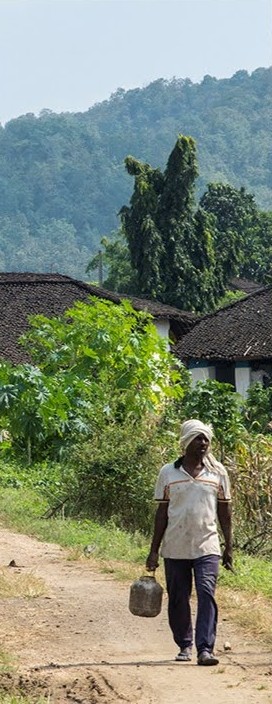
Migration
Socio-cultural norms
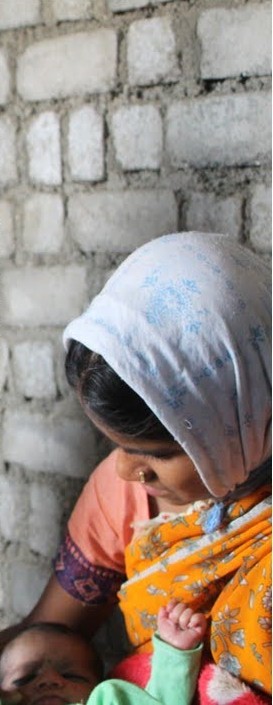
Our hypothesis is that in these areas, representing nearly 100 million people across India, deaths are driven by both weak uptake and poor quality of health services. Sustainable impact requires addressing both together.
TAF’s work today reaches
8,500+ villages.
Through direct activities, TAF reaches more than
2,15,000 pregnant women,
1,63,000 lactating mothers,
and
6,70,000 children under the age of five.
Around
8 million
individuals in rural communities and
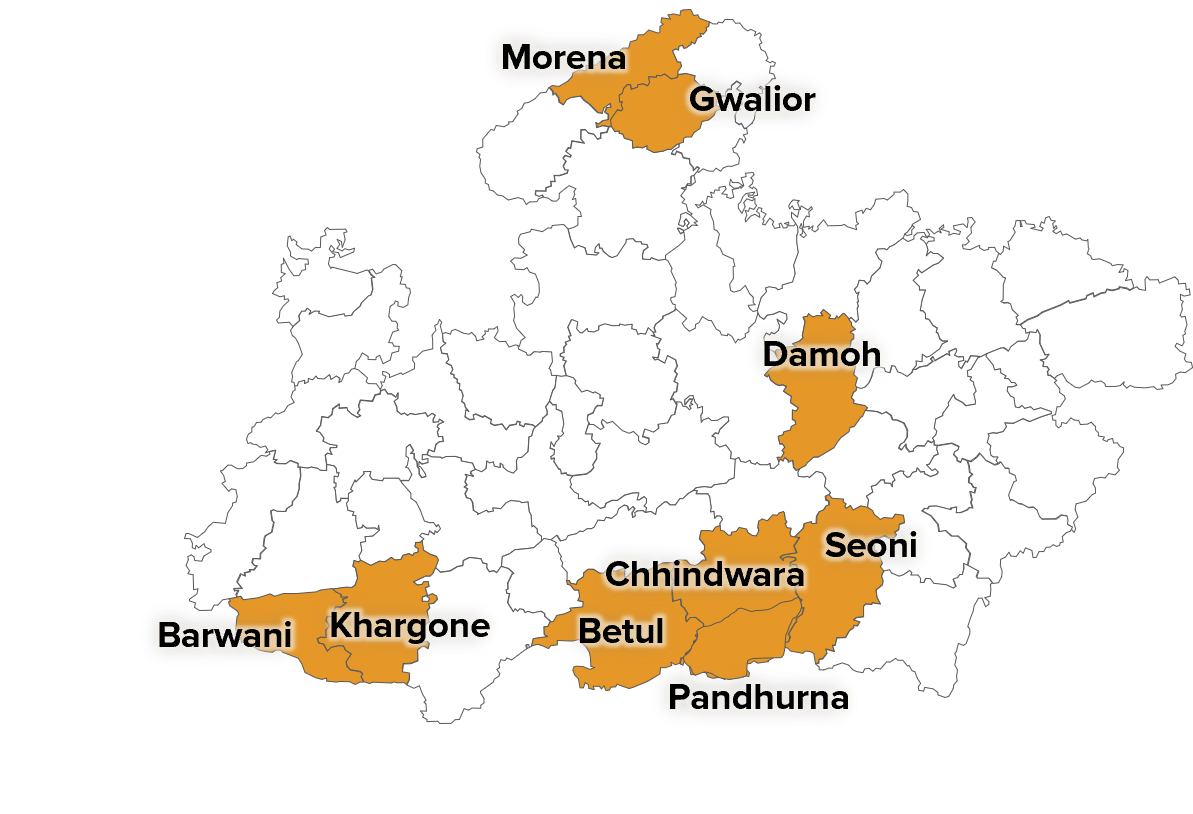
25% of the state’s tribal population
are covered across TAF’s direct intervention geographies, where the foundation works alongside more than
19,000 government Frontline Workers