
 What the Numbers Didn’t Tell Me
A few weeks ago, I traveled to one of our intervention districts for a field assignment that involved interacting with frontline workers and understanding how a pilot initiative was being experienced on the ground. Since I was already there, I decided to spend a day accompanying one of our Nurse Mentor and Capacity Builders (NMCBs) during one of their routine mentoring visits. At the time, I saw it as an opportunity to understand another aspect of our work. Looking back, it became one of the most meaningful parts of my trip.
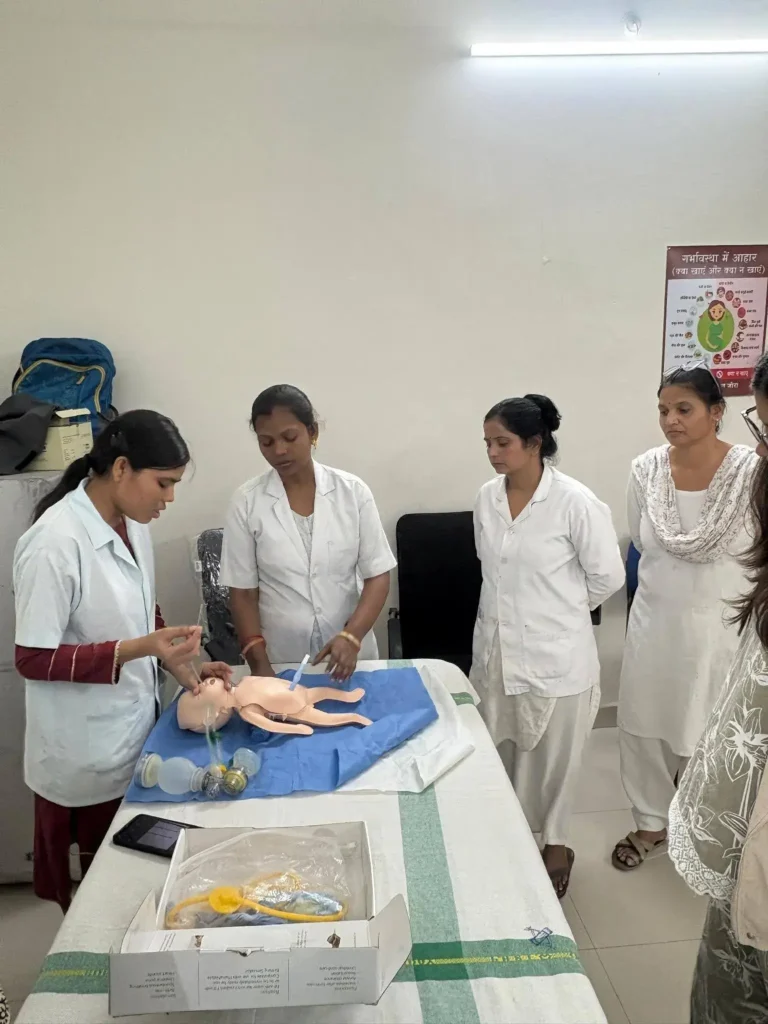
Aradhya Jeevan, The Antara Foundation’s Nurse Mentoring and Facility Enhancement Intervention (NMFE)
In my mind, the day was already planned.
As someone working in Monitoring and Evaluation (M&E), I often spend more time with dashboards, reports, and spreadsheets than in health facilities. For this visit, I wanted to observe the facility, understand the flow of data, and compare what I saw on the ground with what I usually see through numbers. I already knew which indicators I wanted to look at and the questions I hoped to answer. I assumed the visit would help me better understand the facility.
Instead, it shifted my perspective on what it really means to understand a program.
The facility was about an hour away. As we left the town behind, the roads opened into stretches of agricultural land, small villages, and the familiar landscape of rural central India. It was an unhurried drive, and our conversation naturally drifted beyond work.
The mentor travelling with me had moved from Northeast India to take up this role. We spoke about her family, favorite food, the challenges of adapting to a new place, and even the stereotypes people from the Northeast sometimes encounter. Like many professionals, she had relocated for a new opportunity. Listening to her made me realize that every such move also demands courage – the courage to leave behind familiarity, adapt to a different culture, and build a life in a place that was once completely new.
By the time we reached the facility, I realized I knew far more about the person sitting beside me than I ever had through months of working closely with them.
That thought stayed with me.
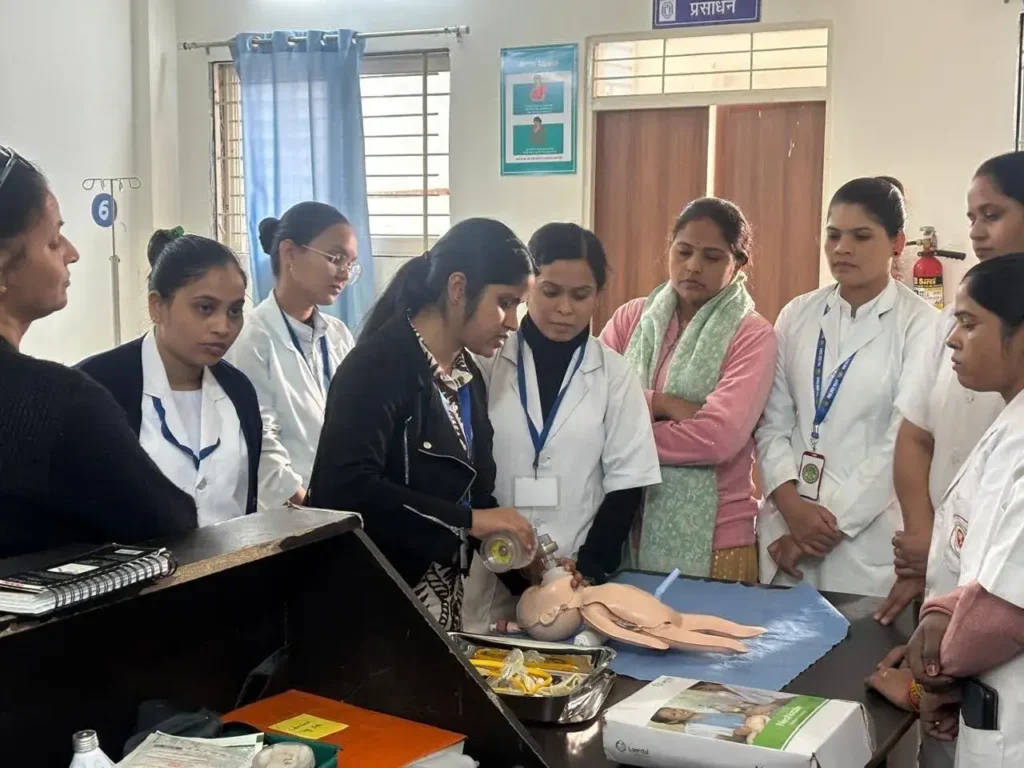
On-site mentoring
As part of the NMFE program, NMCBs regularly visit public health facilities to mentor nursing staff through on-the-job support, demonstrations, and continuous skill strengthening.
Over the last two years, I had spent much of my time understanding the program through its processes, activities, indicators, data, and the outcomes we measured across the public health system. In doing so, I realized I had gained a deep understanding of the work, but somewhere along the way, I had begun to know the program better than the people who brought it to life every day.
That feeling reminded me of another facility visit a few months earlier.
One of our mentors was making her final visit before taking up another opportunity. What I remember most isn’t a meeting or a checklist. It is the time after the day’s work, when the mentor and the nursing staff sat together sharing food, laughing over stories, talking about everyday challenges, and reflecting on the months they had spent working together. When it was finally time to leave, there was a sense of emotion. It wasn’t a formal farewell. It simply reflected relationships that had grown through repeated visits, shared experiences, and mutual trust.
Looking back now, I realize that I had mostly understood mentoring through the activities I tracked. Those activities helped me understand program implementation, but spending time in the field reminded me that mentoring is also built through conversations, consistency, familiarity, and relationships. These are not separate from the work, they are part of how the work happens.
As someone working in M&E, I often think in terms of completeness, accuracy, trends, and indicators. Data helps us understand what is changing, where support is needed, and whether we are moving in the right direction.
This visit reminded me that data tells one part of the story.
It can tell us that a mentoring visit happened, but not the conversations during the journey to the facility. It can tell us how many topics were covered, but not the trust that develops over months of returning to the same place. It can show progress, but not the relationships that make that progress possible.
I didn’t return from the field with a new indicator or a different way of analyzing data. I returned with a different perspective.
I still believe in the power of data. It remains one of the most important ways we understand program and make decisions. But this experience reminded me that numbers and narratives are not competing ways of understanding our work – they complement each other. The numbers tell us where to look. The people help us understand what those numbers cannot fully explain.
Sometimes, the most meaningful learning from the field isn’t about validating data. It’s about discovering the people behind the numbers.